When the term Alté (short for "alternative") first surfaced in Lagos during the mid-2010s, conservative observers dismissed it as a quirky phase. Fast forward to 2026, and the Alté ethos has infiltrated mainstream Nigerian fashion, music, cinema, and global advertising campaigns.
The Roots: Rejecting the Status Quo
Historically, traditional Nigerian fashion emphasized uniformity, tailor-made formal native attire, and strict gender binaries. The Alté generation rejected this rigid prescription in favor of radical individuality: pairing thrifted vintage tracksuits with luxury footwear, mixing distressed denim with pearl necklaces, and wearing oversized streetwear silhouettes with effortless confidence.
The Key Alté Wardrobe Staples
If you want to incorporate Alté elements into your everyday rotation, focus on these signature pieces:
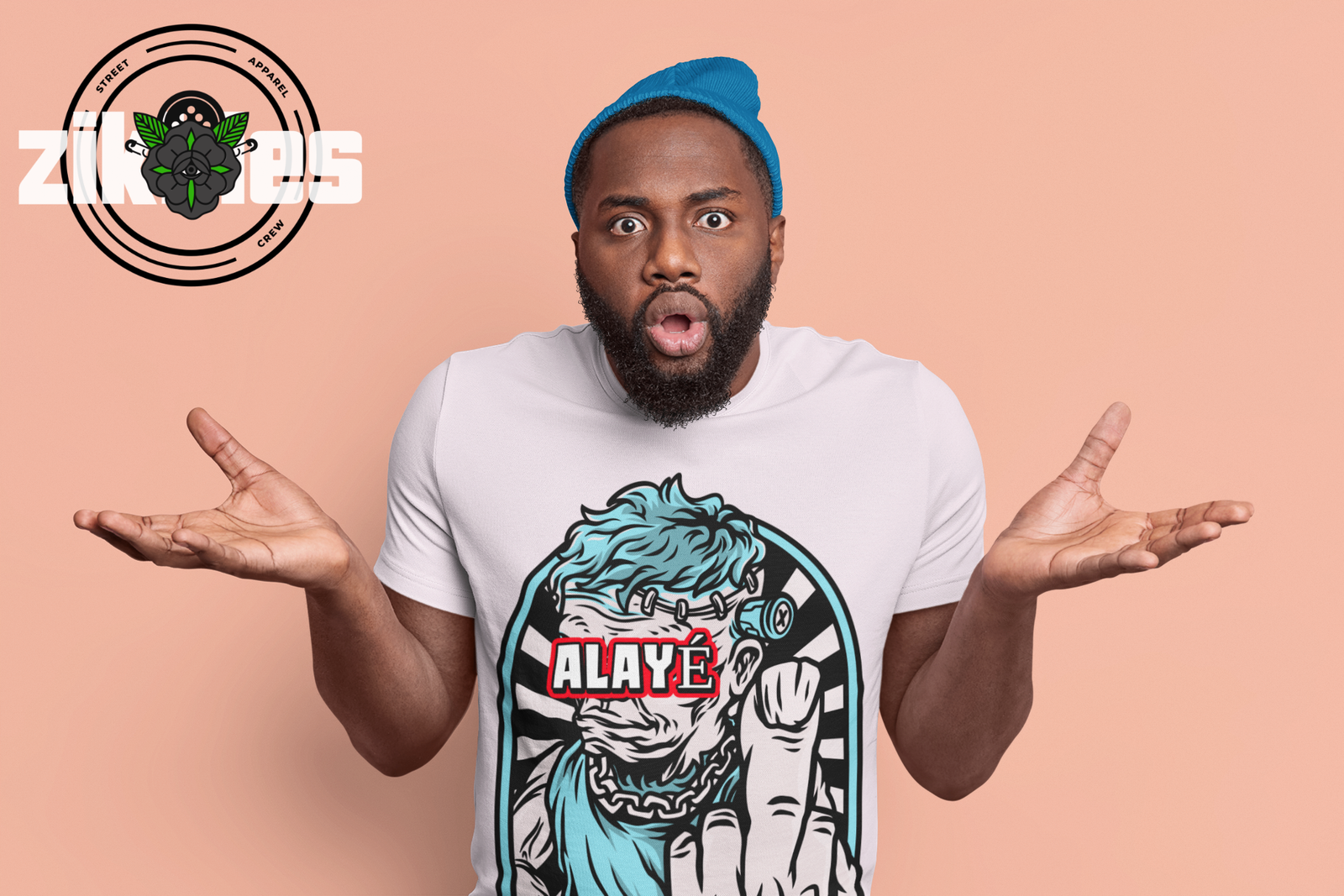
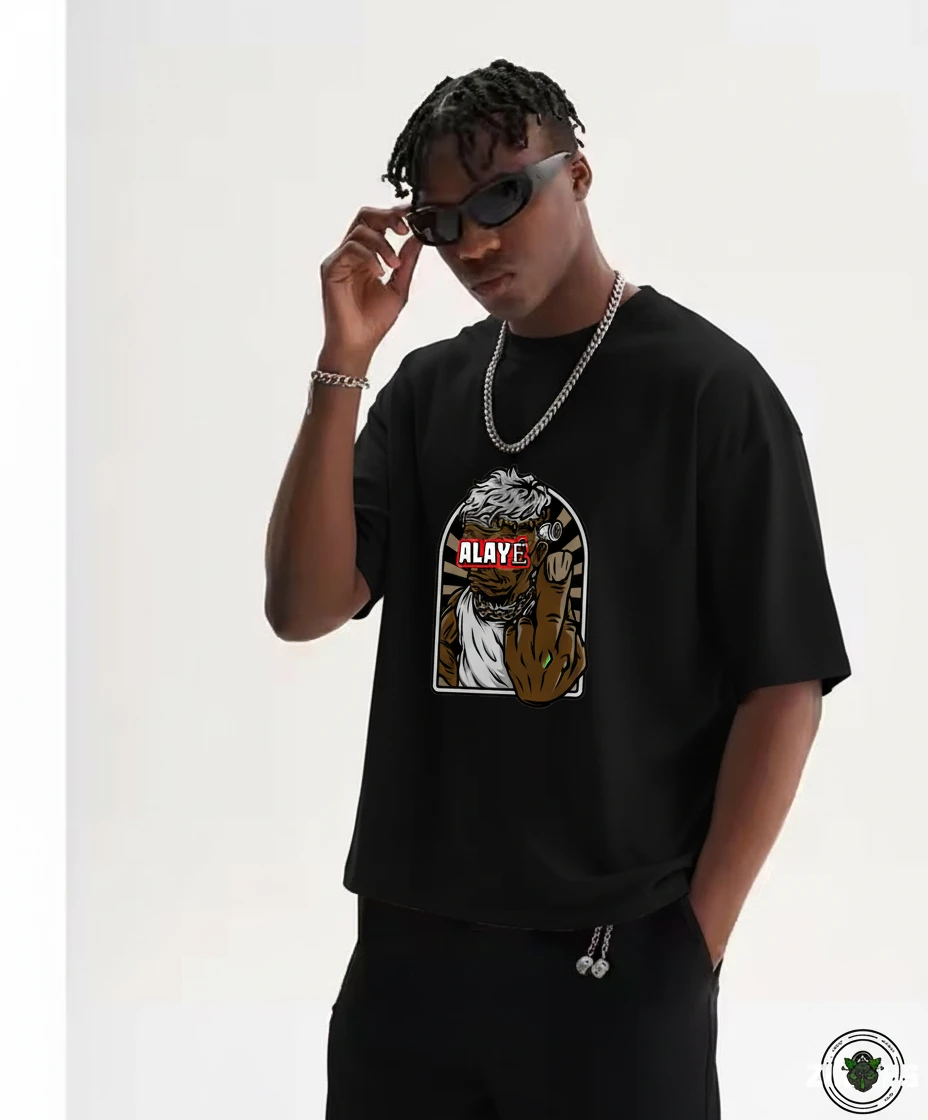
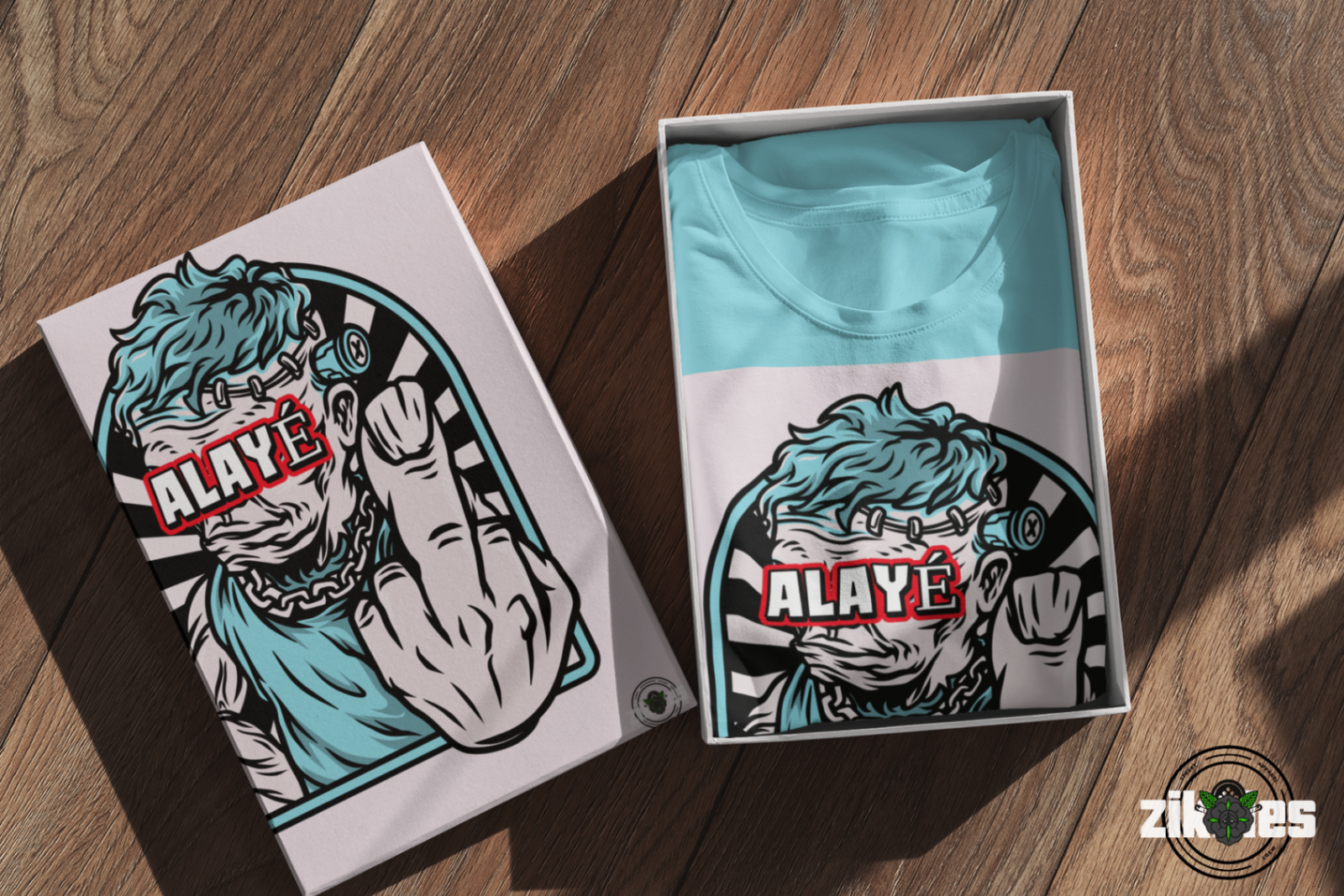
- Graphic Tees with Surrealist Artwork: Surrealist or psychedelic prints like our Falsa Colección Tee or Quote 420 Tee that provoke conversation.
- Statement Eyewear: Micro-rimless sunglasses, colored tinted lenses (orange, yellow, or pink), or chunky Y2K wrap-arounds.
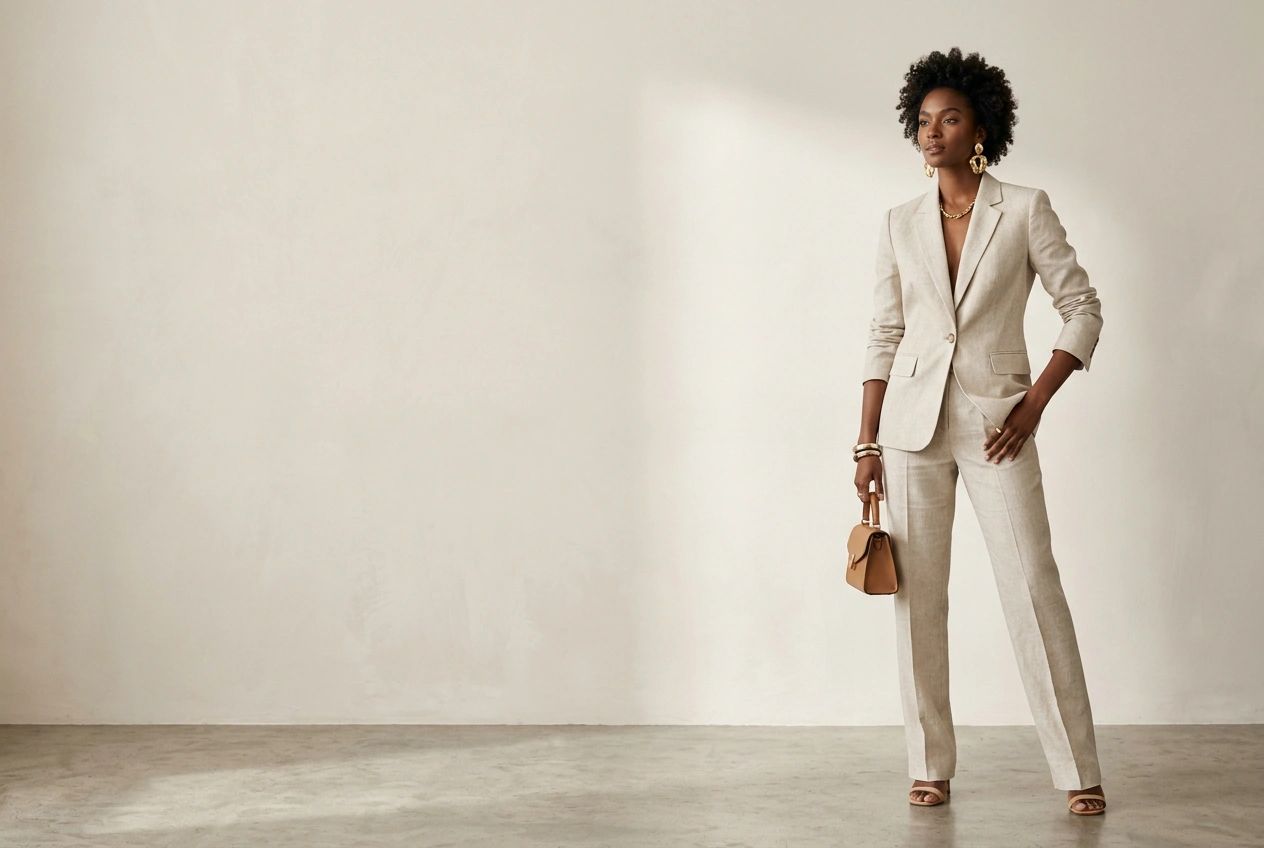
- Gender-Fluid Layering: Cropped cardigans over boxy t-shirts, oversized blazers paired with sweatshorts, and tote bags worn over tactical vests.
- Headwear: Distressed beanies worn above the ears or minimalist snapbacks from our streetwear accessories.
“Alté isn't about following an exact formula. It’s about the audacity to wear what feels true to you, regardless of societal expectations in Lagos.”
How Streetwear Brands Evolved the Movement
Early Alté adopters relied heavily on thrifting at Yaba Market (Katangua and Tejuosho) to find rare vintage grails. Homegrown brands like ZIKKIES brought structural design and reliability to the movement by producing archival-quality pieces locally in Nigeria with premium manufacturing standards.