In the fashion supply chain, the most critical metric that determines whether a garment feels like a luxury statement piece or disposable fast fashion is GSM (Grams per Square Meter). Yet most shoppers in Nigeria have never been told what GSM actually means.
What Exactly Is GSM in Clothing?
GSM measures the density and weight of the knitted fabric. The higher the number, the thicker and more substantial the cloth feels:
- 130 – 160 GSM (Standard Fast Fashion): Thin, see-through when held to the light. Prone to curling hem edges, neck stretching, and rapid degradation in Nigerian washing machines or hand-washing.
- 180 – 210 GSM (Midweight): Standard promotional or commercial graphic t-shirts. Decent for casual wear, but lacks architectural structure.
- 240 – 300 GSM (Heavyweight Streetwear Gold Standard): Dense, structured, and opaque. Drapes cleanly off the body without clinging, and provides a tactile, premium hand-feel.
Why Heavyweight Cotton Wins in Nigerian Weather
A common misconception is that heavier fabric is too hot for Nigeria. The reality is quite the opposite. Flimsy, synthetic polyester blends trap sweat against your skin and cling when wet. High-grade 100% combed cotton at 250 GSM is completely natural and breathable. Because the cloth has substance, it holds its shape away from your body, creating an air pocket that keeps you cooler and prevents unsightly sweat patches.
“Dense cotton doesn't cling; it breathes. That structural drape is what transforms a simple t-shirt into high-end streetwear.”
How Fabric Density Enhances Screen Printing
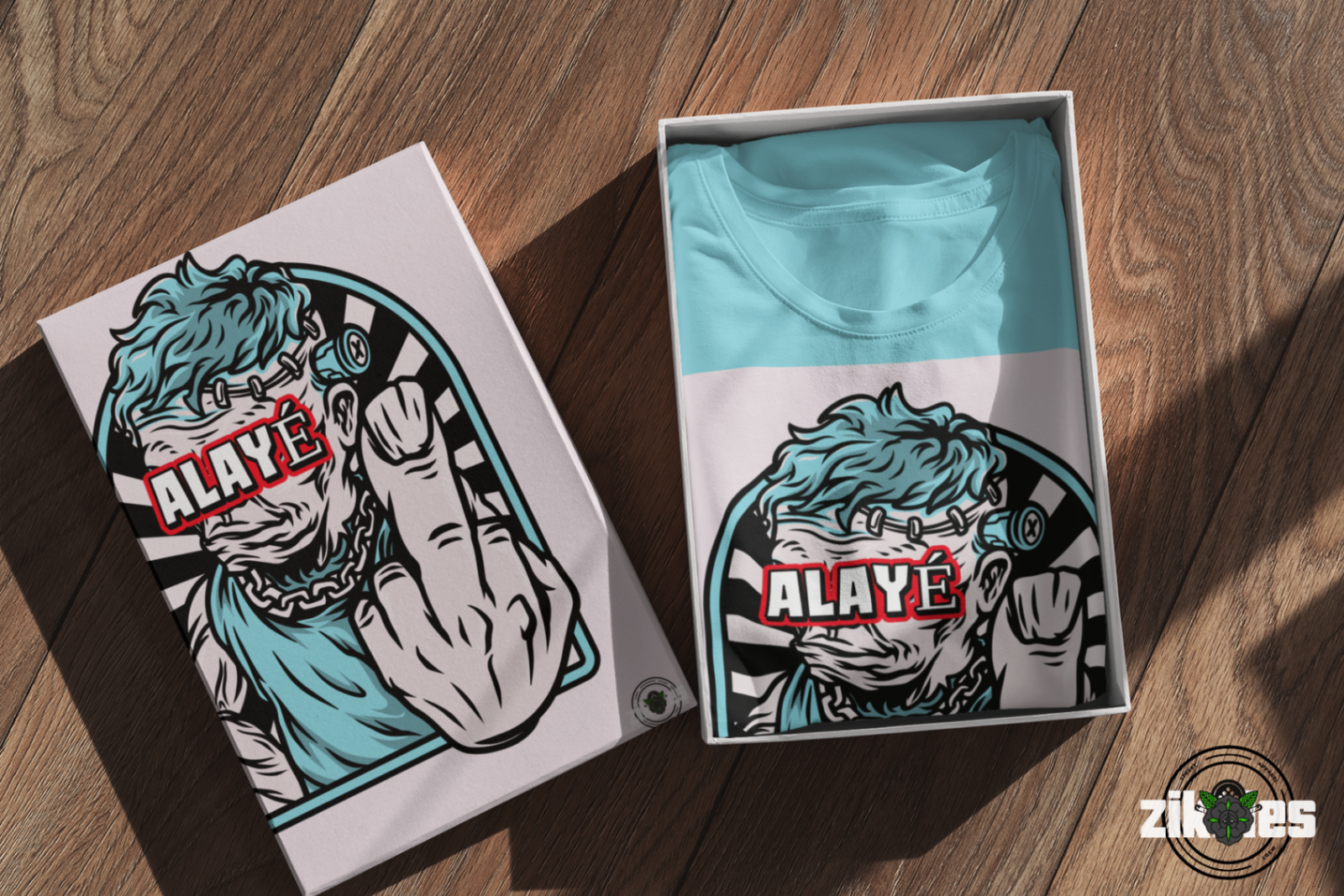
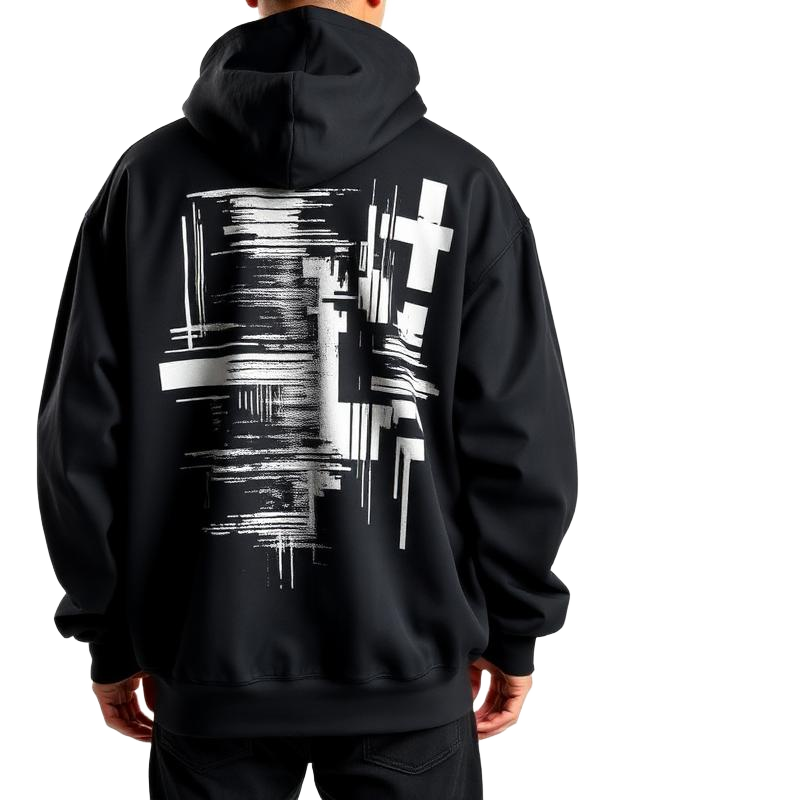
On thin fabrics, heavy plastisol inks and puff prints cause the fabric to buckle and wrinkle under the weight of the ink deposit. On 250+ GSM cotton (such as our Glitch Smiley Tee and Falsa Colección Tee), the dense weave creates a flat, rock-solid substrate. Inks sit tall on the surface with razor-sharp lines and vibrant pigments that never fade or crack over time.